
From forest floor to future – Pine needles for material innovation and climate resilience
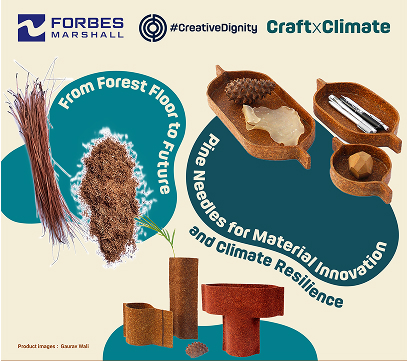
Pine needles (grow as part of the pine trees) which are abundantly found on the forest floors of the Himalayan regions like Uttarakhand and Himachal Pradesh are seen as a big hazard due to their natural characteristic of being highly inflammable and slow to decompose, thus leading to forest fires which affect the local ecology of the region. However, upon collection from the forest this natural resource can be used as a great raw material for production of sustainable energy, utility items, hand crafted products, and sustainable agriculture. Thus, contributing to the market for innovative, sustainable, and eco-friendly solutions in today’s global climate crisis era.
How Sustainable is your Underwear?
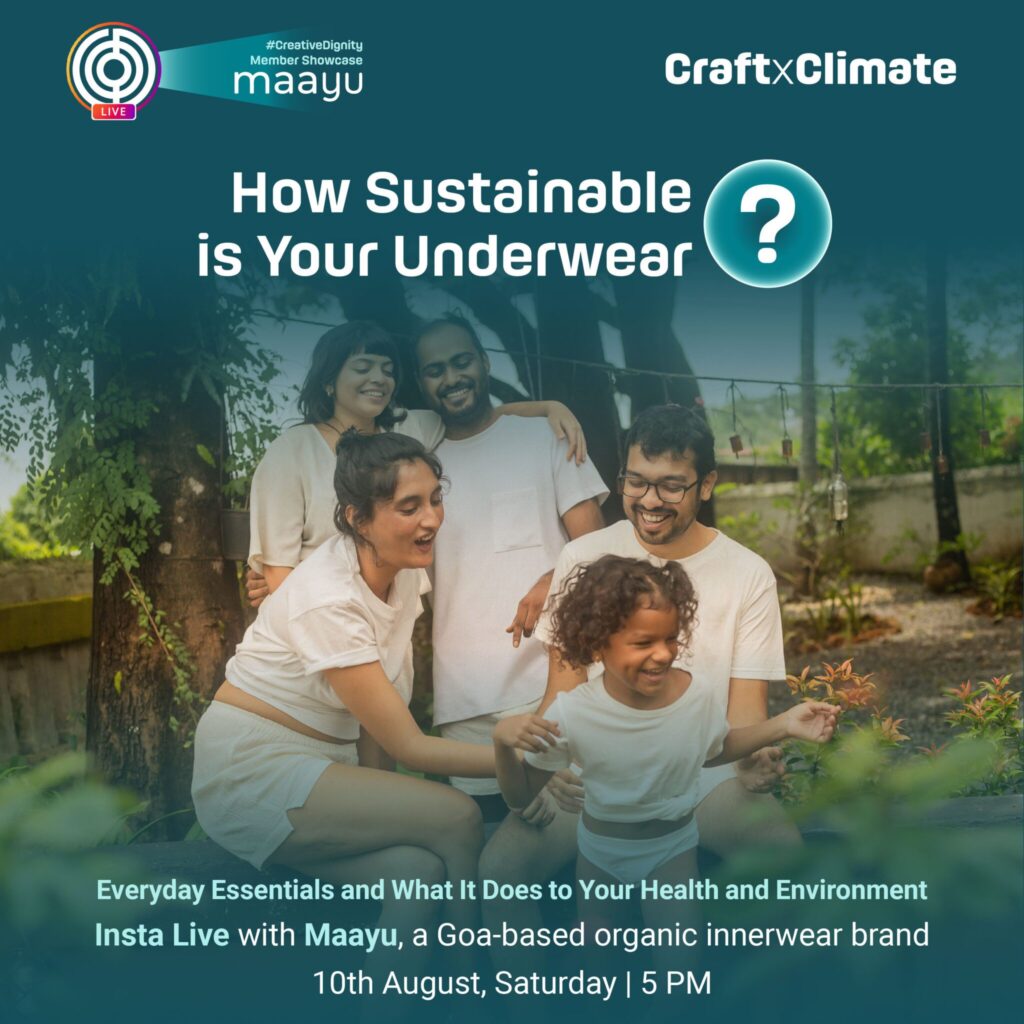
Sonal Baid, founder of Maayu, an organic intimate wear brand, highlights the vital link between lifestyle choices, particularly clothing, and health. She emphasizes that awareness of this connection can drive consumers to make more conscious choices and push producers to adopt greener, more organic methods.
Leading a Low-Waste Life: Everyday Sustainable Consumption
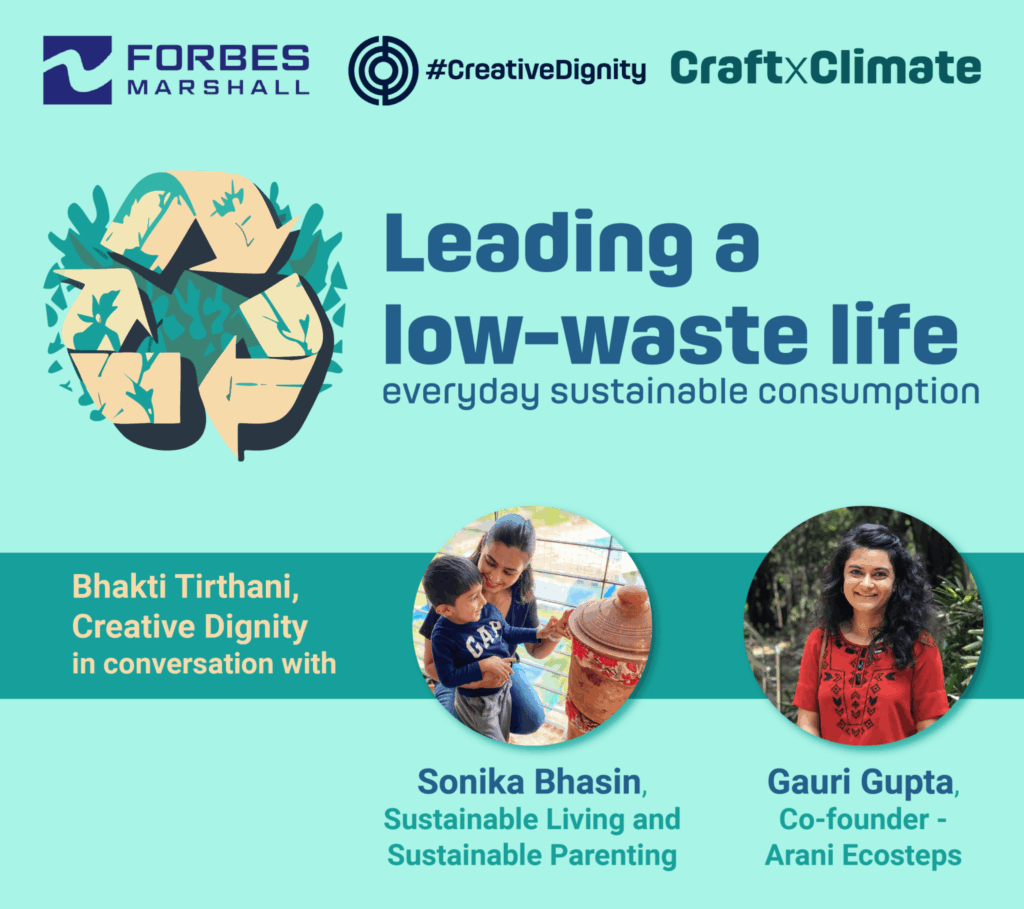
Leading a low-waste lifestyle through intentional consumption choices, waste reduction and sustainable practices is a powerful strategy to combat climate change. Cultivating mindfulness, fostering community engagement and prioritizing positive change are essential for driving this transformative shift. During this session, we spotlighted the efforts of two sustainability advocates to inspire CD members to take action and explore practical ways to reduce their environmental impact as well as lessons for eco-friendly branding. Key takeaways include:
100 Mile Economies : Case-studies from Gujarat

In the webinar “100 Mile Economies: Case Studies from Gujarat,” we explored the potential and challenges of building place-based, self-sustaining value chains today. We focused on how age-old traditions and the symbiotic relationships among production communities—ranging from farmers, ginners, and spinners to weavers and dyers—can be preserved and revitalized via market opportunities and material transactions.
Design for Regeneration
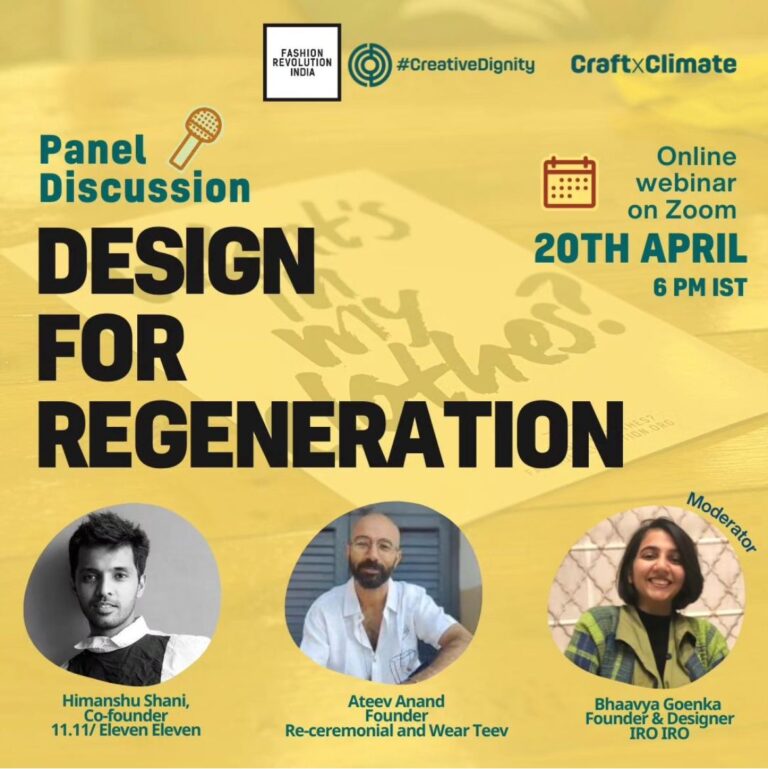
Regenerative fashion refers to clothing made in ways that support circularity — either through the used economy by upcycling materials otherwise discarded or through the soil-to-soil cycle of regenerative agriculture.
Small Village, Big Impact: Water Conservation Wisdom from Kaladera, Rajasthan
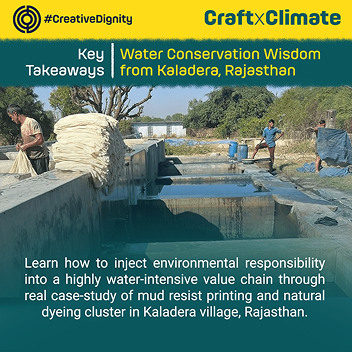
Learn how to inject environmental responsibility into a highly water-intensive value chain through real case-study of mud resist printing and natural dyeing cluster in Kaladera village, Rajasthan.
Lost & Found : Calamity, Innovation & Beyond…
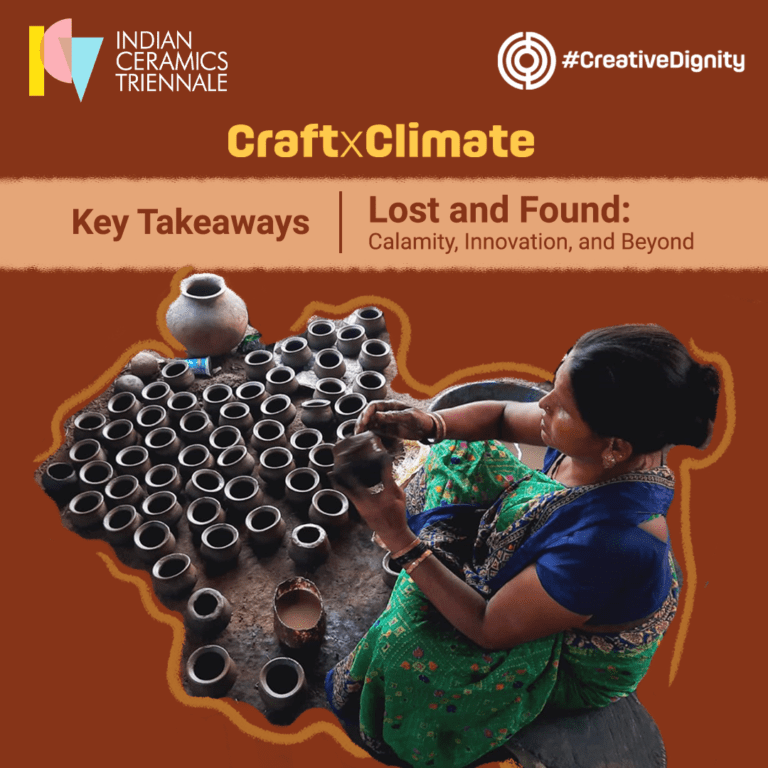
Lost and Found’ is a collaborative project under Creative Dignity’s ‘CraftxClimate’ initiative with curators Rajesh Kulkarni and Raju Sutar to position crafts as a model to mitigate climate crisis
Roots of Resilience: Indigenous Knowledge Systems in Sustaining Craft Traditions
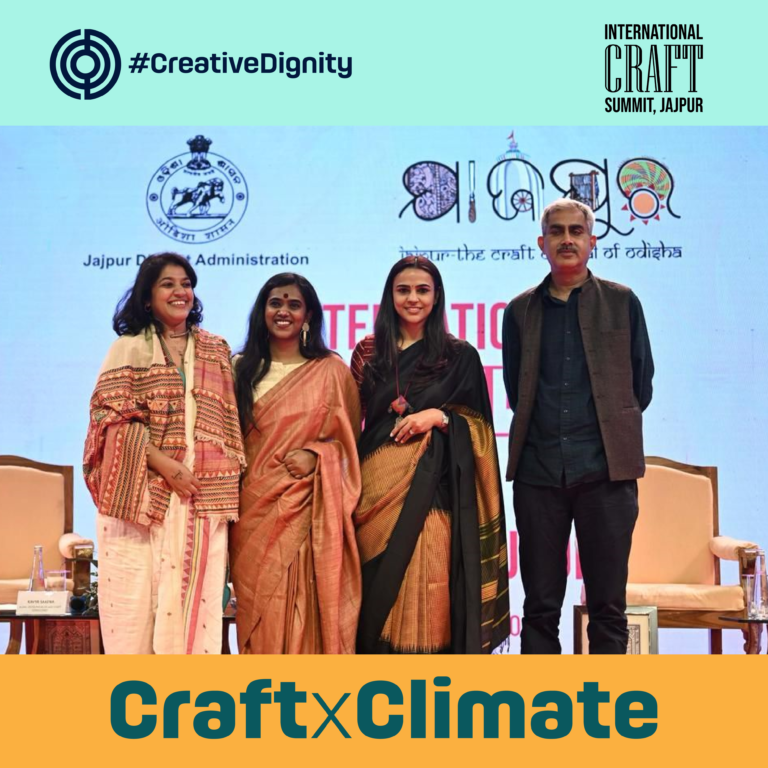
The session was titled ‘Roots of Resilience: Indigenous Knowledge Systems in Sustaining Craft Traditions’ and the conversation mapped three distinct bio-regions inhabited by indigenous communities and discussed the role impact champions and dynamic social enterprises play in igniting resilience, relevance and cultural healing within these communities to cope with modern economies
Discovering Artisanal Treasures: A National Database of Unique Stores
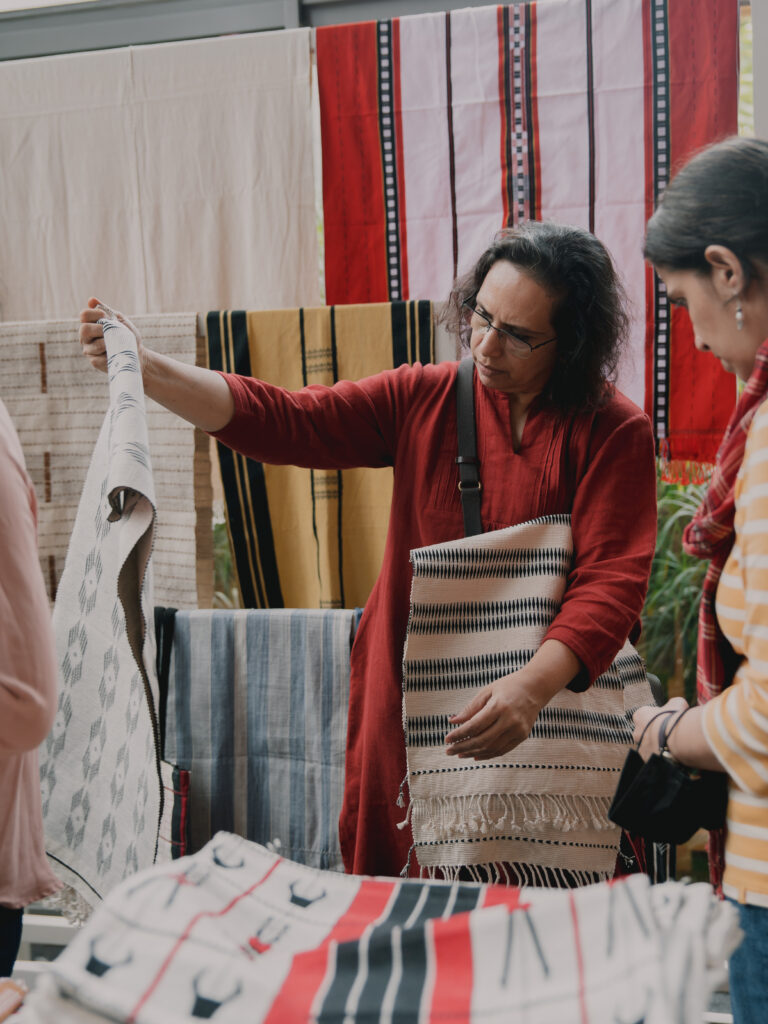
In today’s fast-paced world, consumers are increasingly seeking unique, handcrafted products that tell a story. Artisanal stores, often tucked away in local neighborhoods or off-the-beaten-path offer these treasures. However, discovering these hidden gems can be a daunting task for consumers and a challenge for artisans to reach their target audience.
The Art of Communicating Impact for Artisanal Brands
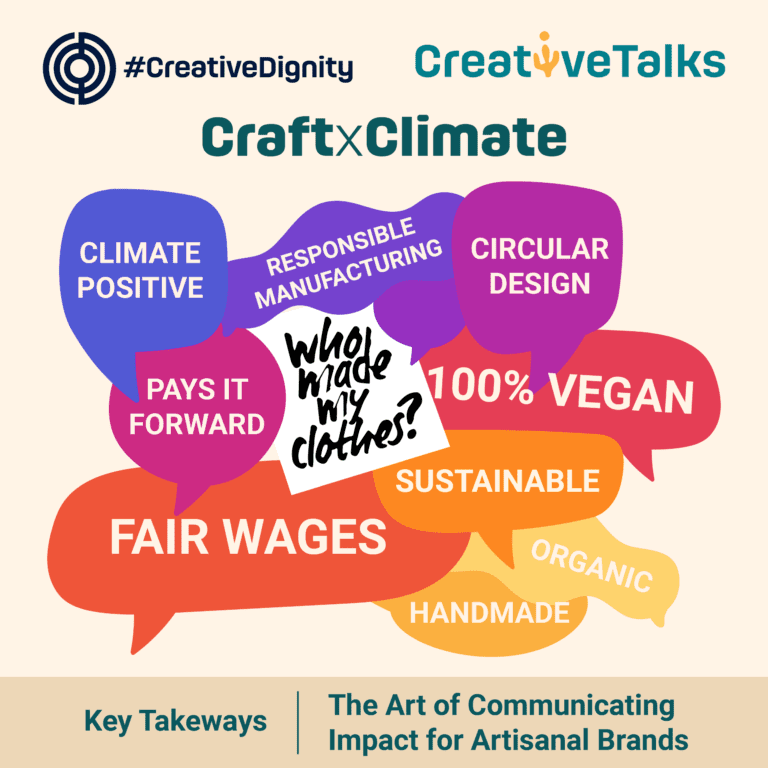
Importance of Storytelling: In the context of climate action, evolving consumer expectations make storytelling essential to create a differentiative and authentic brand voice.